Legal load testing is the process of evaluating how a website, web application, or server performs when exposed to a controlled amount of traffic. The objective is to understand system limits, identify weaknesses, and optimize infrastructure before real-world traffic causes performance issues. These tests are conducted only on systems owned by the organization or with explicit permission from the system owner, ensuring that all testing remains ethical, responsible, and compliant with applicable laws.
A well-planned load test provides valuable information about server capacity, application responsiveness, database performance, and overall system stability. By analyzing these metrics, businesses can determine whether their infrastructure is capable of supporting future growth or unexpected traffic surges. This proactive approach minimizes downtime and helps deliver a consistent user experience.
Unexpected traffic spikes can happen for many reasons. Marketing campaigns, seasonal promotions, software releases, media coverage, and viral social media content may generate thousands of simultaneous visitors within a short period. Without proper preparation, these sudden increases can overwhelm servers, resulting in slow loading pages or service interruptions. Authorized load testing enables organizations to prepare for these situations before they occur.
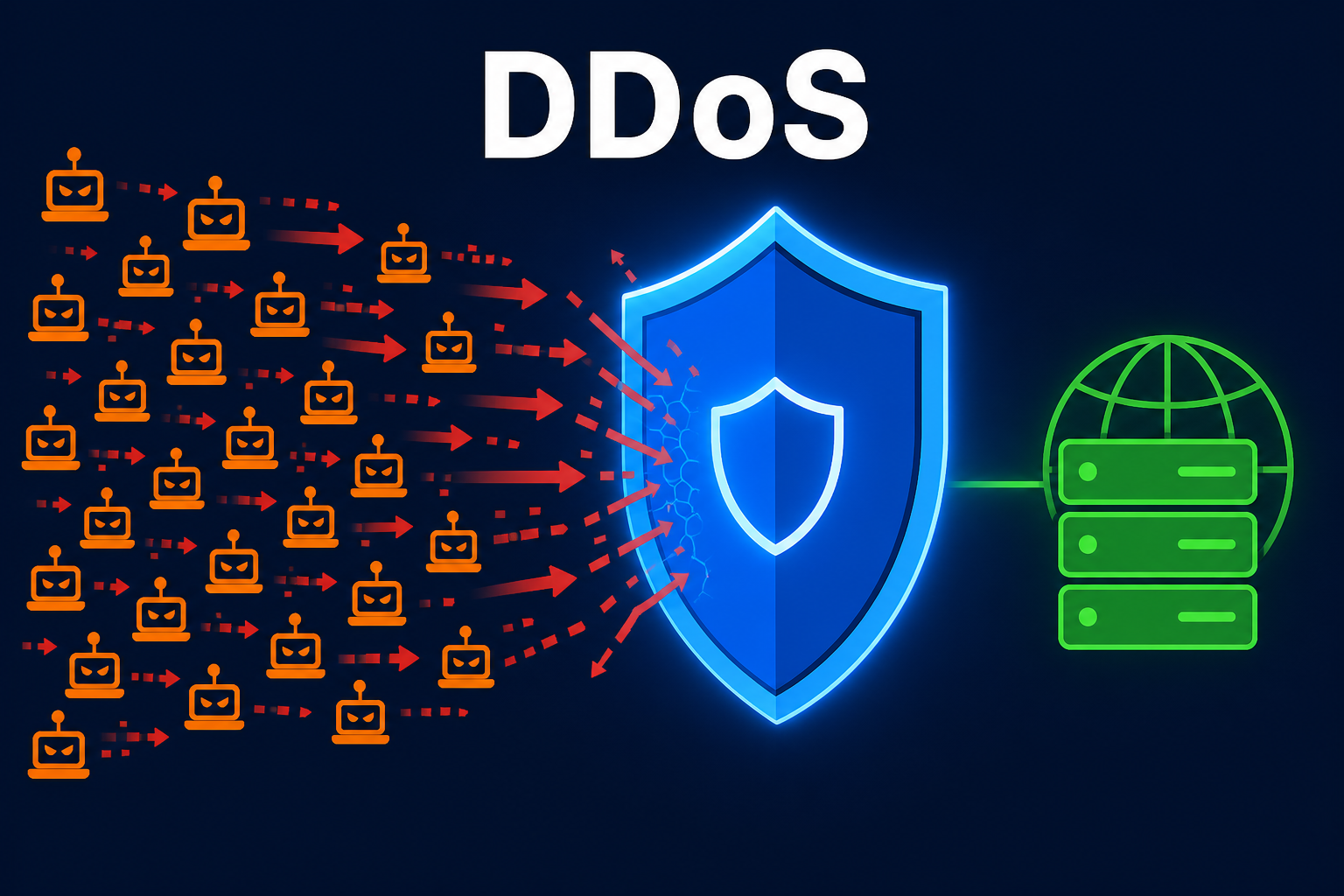
Alongside performance optimization, cybersecurity remains a top priority. Distributed Denial-of-Service (DDoS) attacks continue to be one of the most common threats facing online businesses. These attacks attempt to flood a website or network with excessive traffic, preventing legitimate users from accessing online services. Even a brief outage can damage customer trust, interrupt business operations, and lead to financial losses.
Comprehensive DDoS protection helps reduce these risks by identifying malicious traffic and filtering it before it reaches critical infrastructure. Modern security solutions use intelligent traffic analysis, automated mitigation systems, rate limiting, Web Application Firewalls (WAF), and continuous monitoring to maintain service availability. Combined with a well-designed network architecture, these technologies provide a strong defense against evolving cyber threats.
Authorized performance testing is valuable for organizations of every size. Developers use it to verify application performance before deployment. IT administrators rely on testing results to improve server configurations and resource allocation. Businesses use these insights to ensure their websites remain responsive during periods of high demand. Security professionals also benefit from testing by evaluating infrastructure resilience as part of a broader cybersecurity strategy.
Regular testing offers long-term advantages beyond immediate performance improvements. As websites evolve through software updates, feature additions, and increased customer activity, infrastructure requirements also change. Routine performance assessments help organizations detect emerging bottlenecks early, allowing them to optimize systems before users notice any decline in performance.
A comprehensive website performance strategy also includes continuous monitoring. Real-time monitoring allows administrators to identify unusual traffic patterns, respond quickly to incidents, and maintain stable operations. When combined with authorized load testing and DDoS protection, monitoring creates a proactive approach to website management that supports long-term reliability.
Businesses operating e-commerce platforms, educational portals, financial applications, healthcare systems, government services, and enterprise software all benefit from maintaining reliable digital infrastructure. Fast response times, high availability, and strong security contribute to customer satisfaction while supporting business growth.
Responsible testing practices remain an essential part of every project. Load tests should always be performed only on systems that you own or have received explicit authorization to evaluate. Ethical testing protects both organizations and the wider internet while providing meaningful performance insights.
If your goal is to improve website stability, prepare for increasing traffic, and strengthen your cybersecurity posture, professional authorized load testing and DDoS protection services can provide valuable support. These solutions help identify performance limitations, improve scalability, and reduce the risk of downtime through responsible testing and advanced security measures.
Visit our website for more information about our authorized website load testing services and DDoS protection solutions. Learn how proactive performance testing and modern cybersecurity practices can help keep your online services fast, secure, and available for your customers.
Check out our web portal for complete information.